YCAT's 2026 Musicians’ Mental Health Month focuses on Imposter Syndrome

This year, the Young Classical Artists Trust (YCAT) organised their fifth version of Musicians' Mental Health Month. With a focus on Imposter Syndrome, they are offering a number of resources for musicians, ranging from coaching and therapy sessions to blogs and Q&A articles on the subject.
Imposter Syndrome, which consists in the persistent inability to believe that one's success is deserved or has been legitimately achieved as a result of one's own efforts or skills, affects people in all professions. It can become debilitating, opening the way to anxiety and paranoia. If you have confronted these feelings before, please know that you are not alone, and that there is a way out of this negative mindset.
This page on the MU's website contains a summary of the activities and resources of the YCAT's Musicians' Mental Health Month. Share it with friends, it might help more that you think!
A free health service for the Performing Arts sector
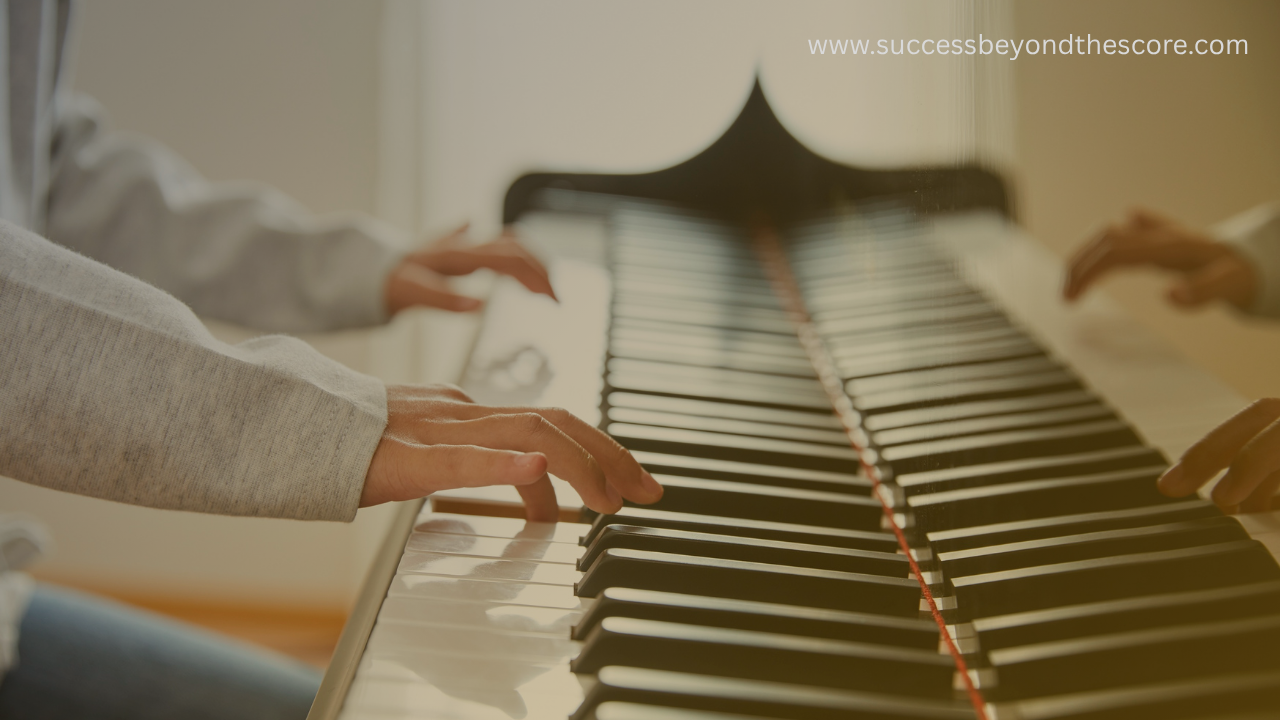
Performance art demands the better and the most from creatives. Our physical and mental capabilities are always being tested. We engage our memory to learn the parts of our act and be able to perform them on stage from beginning to end, and we need endurance to withstand it without losing our energy and presence. We require quick problem-solving skills to react accordingly if something goes wrong (and how many things can and will go wrong!), along with good stress and anxiety management. Our craft has an impact in different parts of our body: tendons and joints for dancers, vocal cords and respiratory system for singers, etc. For all of this, a health service specialised in the needs of performing artists is essential for the survival of our industry.
This is where BAPAM, the British Association of Performance Arts Medicine, comes into play. Established in 1984, it is now the largest provider of clinical services to the UK's performing arts sector, supporting everybody from students t...
Turn notifications OFF

Every new app and website we visit asks the same question: "do you want to activate notifications?" The options come next: for news, for offers, for purchases, for chats. To your e-mail, through messages, or pushed directly to your device. Allow them all, or even a number of them, and you will soon find yourself flooded by pings and buzzes calling for you 24/7.
The currency of social media is your attention. Ultimately, all these digital service providers are after your time. They deploy different strategies to keep you looking at your screen, from presenting their content and tools as games where you lose points if you don't "play" every day, to linking themselves with notions like friendship or responsibility, so you feel guilty if you are not available at all hours.
The truth is that you are the owner of your time, and you are under no obligation of giving any part of it to the internet. As the companies behind social media and online platforms are actively seeking your attention,...
BAPAM: Medicine thought for performance artists
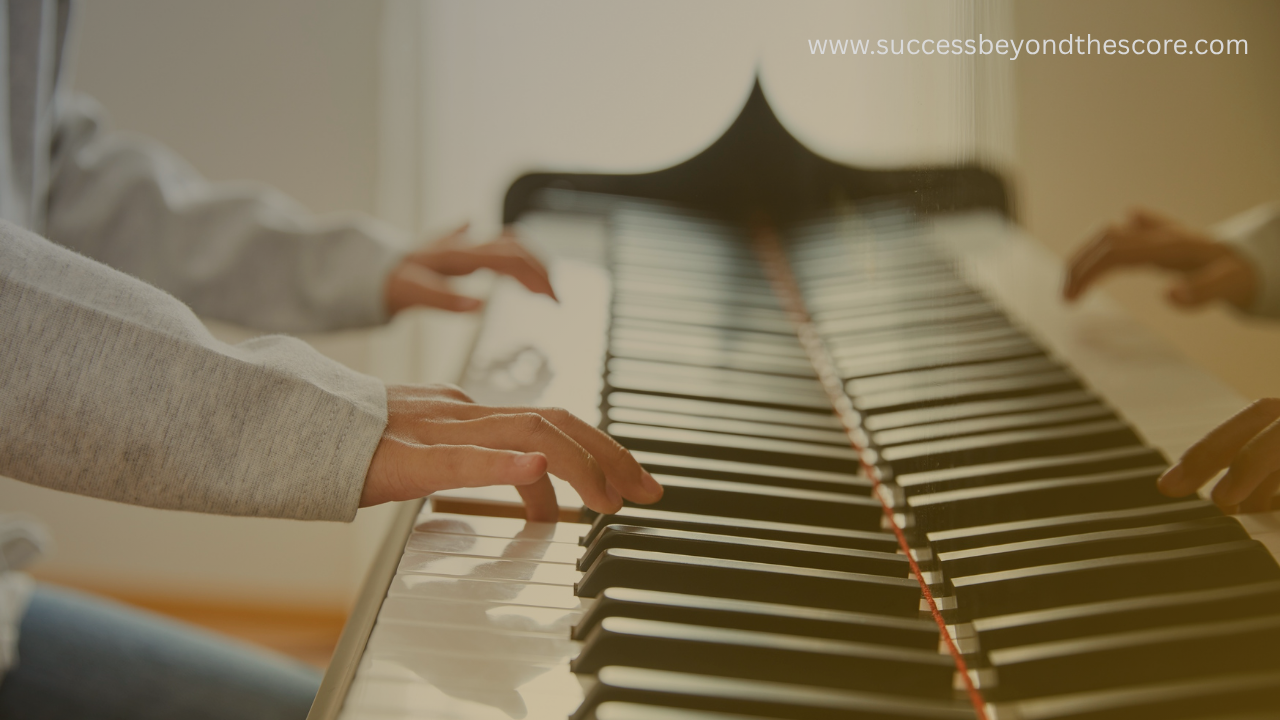
As a musician, you may notice that, some times, parts of your body do not respond as quickly as they used to when delivering your music. If you are a singer, you may find that your vocal range has changed or diminished. As a violinist, you may experience pain in your neck and shoulders. Drummers may be familiar with stiffness and soreness on the knees and shins. Every instrument comes with particular challenges to the body and mind that can take a toll.
In Millicent's case, there was a moment when playing the piano brought her difficulties in her hands. She experienced pain on her fingers, and the knuckle joints would cramp or lock. At the time, she got an e-mail from the Musicians' Union, saying that a doctor specialised in musicians' ailments would visit Birmingham soon, and that members could book an appointment if needed. That's how she got in contact with the British Association for Performing Arts Medicine (BAPAM).
The professionals at BAPAM corrected the diagnosis given by Mil...
Autumn is here. Don't let winter catch you unprepared!

It’s not a secret that I favour the summer. I like the warmth and the light, the outdoor gigs and the myriad of events. While I appreciate the charm of autumn colours, the joy of Christmas and the cosiness facilitated by winter, it just doesn’t compare.
Regardless, seasons pass. Going with the flow of time, striving to see the best of each moment, is the best we can do.
To make it all easier, remember to:
- Get ahead with preparations: Don't wait until temperatures drop to unbearable levels before checking if the heating in your house works properly or whether the insulation in your windows is doing alright. Bring your winter bedding and clothes out of storage and see if they're fit to use. If you struggle with vitamin D levels, talk with your doctor about supplements and treatments before the clocks move backwards at the end of October.
- Stay active: The warm embrace of the blankets is tempting, I know. Don’t let the cold or the darkness stop you from doing things, though! Some peo ...
Rest Isn't A Reward, It's A Necessity!

We live in a busy world. Our phones keep us active, the internet cries for our attention, and on top of that, there are demands and needs coming from our family, friends, work and even our music. Sometimes, it feels like there aren’t enough hours in the day to get everything done, which makes us face a common enemy: stress.
There are many tips, videos and blogs on the internet giving advice on how to cope with stress. I learnt the hard way how much my health could be affected by working maximum hours with limited sleep. As a result, I started to realign myself since a few years ago, and now I can say it really pays off!
One of the things I did was to consciously plan breaks in my day and week. A break can consist of just a few minutes during which you mentally come away from work by, for example, looking at nature (as I was doing when I snapped the cover photo of this blog around a month ago, when I travelled to the Czech Republic). You can also have a quick nap, do something crea...
Why You Should Take A Break.
We live in a busy world. Our phones keep us active, the internet cries for our attention, and then there is the demands of family, friends, work and even our music. There are not enough hours in the day to get everything done. You might even find you feel stressed.
There are many tips, videos and blogs on the internet giving advice on how to cope with stress. I learnt the hard way how much my health was affected by working maximum hours with limited sleep, so three years ago I started to realign myself and it’s paying off. One of the things I did was to consciously plan breaks in my day and week.
A break can be a few minutes each day where you mentally come away from work. This could be looking at nature, the sky, having a short sleep, doing something creative, but not music. These things will help your brain, which in this regard is like a muscle, to rest, relax and recover, renewing you to do your next job.
A break can be moments taken to deliberately breathe. By doing this,...