Protect creators' rights: require AI firms to disclose training data

It has been almost four years since generative AI technology was made available to the public. During this time, the severely negative impact it has on the job market and the environment has been proven again and again. However, governments across the world have failed to react appropriately. To this day, human creators whose work has been used to train large language models (LLMs) have no way to corroborate so, and therefore, cannot enforce their ownership rights.
Until 29 October 2026, there is a petition to the UK Parliament seeking to fix this issue. It asks for the introduction of a statutory duty requiring AI developers to disclose their training sources and information. As with all petitions submitted through this channel, if this one gets 10,000 signatures before the deadline, the government will respond to it. If the number surpasses 100,000, it will be considered for debate in Parliament.
Creators need clear rules and regulations that ensure their work is used with consent,...
Let's show up for the arts! Vote on tomorrow's elections
England, Wales and Scotland: we have had time these past few months to hear candidates out and consider our options. Now, it is the time to decide who we want to represent us in our cities and regions. Whilst it is easy to be negative and pessimistic about the state of politics, democracy is still an invaluable opportunity to make our voices be heard. Don't let it pass!
In regard to the proposals surrounding the arts and entertainment industry, the Musicians Union wrote manifestos for both the Senedd Elections and the Scottish Parliamentary Elections. These manifestos addressed all candidates, and those who committed to consider them could be a good option for you to support, if you are still on the line.
Remember that you have time to vote between 7am and 10pm, and that you must bring a form of photographic identification in order to be allowed to vote. These include passports issued by the UK, EEA states or members of the Commonwealth, driving licenses, bus passes, biometric immigr...
YCAT's 2026 Musicians’ Mental Health Month focuses on Imposter Syndrome

This year, the Young Classical Artists Trust (YCAT) organised their fifth version of Musicians' Mental Health Month. With a focus on Imposter Syndrome, they are offering a number of resources for musicians, ranging from coaching and therapy sessions to blogs and Q&A articles on the subject.
Imposter Syndrome, which consists in the persistent inability to believe that one's success is deserved or has been legitimately achieved as a result of one's own efforts or skills, affects people in all professions. It can become debilitating, opening the way to anxiety and paranoia. If you have confronted these feelings before, please know that you are not alone, and that there is a way out of this negative mindset.
This page on the MU's website contains a summary of the activities and resources of the YCAT's Musicians' Mental Health Month. Share it with friends, it might help more that you think!
Listen again to S2, E6-7 of the podcast Success Beyond The Score
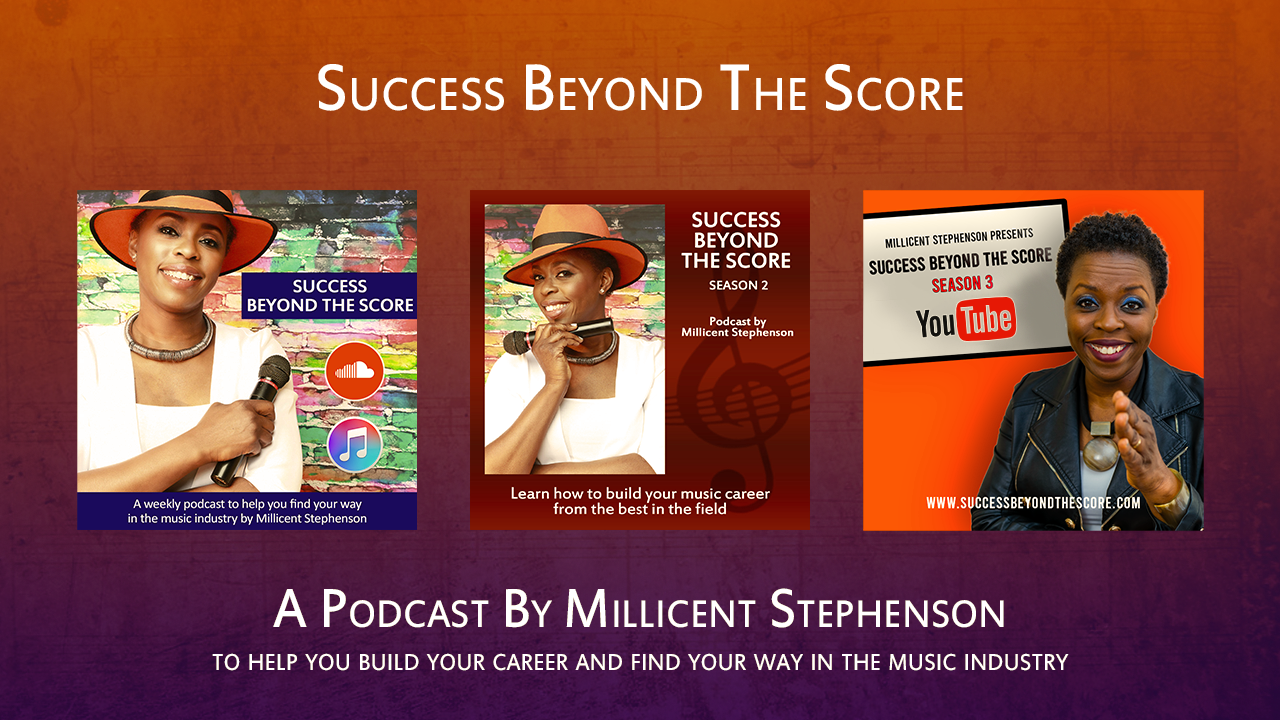
Continuing with our journey down memory lane, today we bring the two episodes of the podcast Success Beyond The Score dedicated to the award-wining international operatic soprano Abigail Kelly.
Her engagements include a variety of roles, like the female lead in the ‘The Marriage of Figaro’, which she performs in various languages – Italian, Russian, German and French. Abigail is the Ambassador for the National Touring Opera and is passionate about making opera available to all. Abigail is a workshop leader and vocal tutor and has been featured in Black Hair and Beauty magazine.
In the first part, episode 6, Abigail explains why she chose to become an operatic soprano, the things opera singers do which singers in other genres do not, her journey to becoming a full-time musician, and the impact that COVID-19 had on her life and career.
In the second part, Abigail gives her insights on how to bounce back; dealing with fame and the mundane; tips for building a full-time music career...
Wales: help music and culture become priorities for the Senned election
On May 7, Wales will vote to elect the 96 new members of the Senedd Cymru (Welsh Parliament). In preparation, the Musicians Union has written a manifesto that describes actions to improve conditions for music, culture and the arts.
Election time is one of the best to make your needs known to leaders and politicians. If you are unsure of how to proceed, the MU has outlined some actions and provided templates in their website.
Don't sit back and wait for others to decide how your community is going to be managed. If you work in the arts and culture sector, it is vital that you make your experience and struggles part of the discussion for a better government. Let's pave the way to make Welsh music and culture shine brighter than ever!
A free health service for the Performing Arts sector
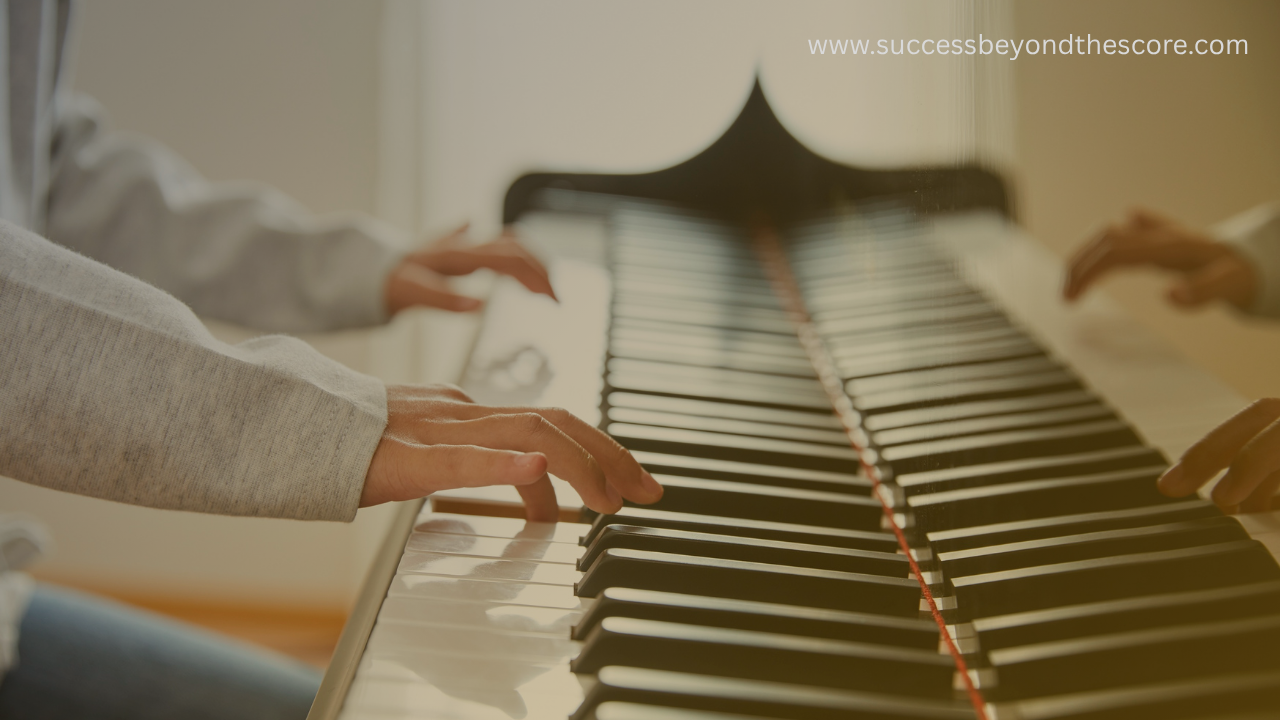
Performance art demands the better and the most from creatives. Our physical and mental capabilities are always being tested. We engage our memory to learn the parts of our act and be able to perform them on stage from beginning to end, and we need endurance to withstand it without losing our energy and presence. We require quick problem-solving skills to react accordingly if something goes wrong (and how many things can and will go wrong!), along with good stress and anxiety management. Our craft has an impact in different parts of our body: tendons and joints for dancers, vocal cords and respiratory system for singers, etc. For all of this, a health service specialised in the needs of performing artists is essential for the survival of our industry.
This is where BAPAM, the British Association of Performance Arts Medicine, comes into play. Established in 1984, it is now the largest provider of clinical services to the UK's performing arts sector, supporting everybody from students t...
Modesty aside...
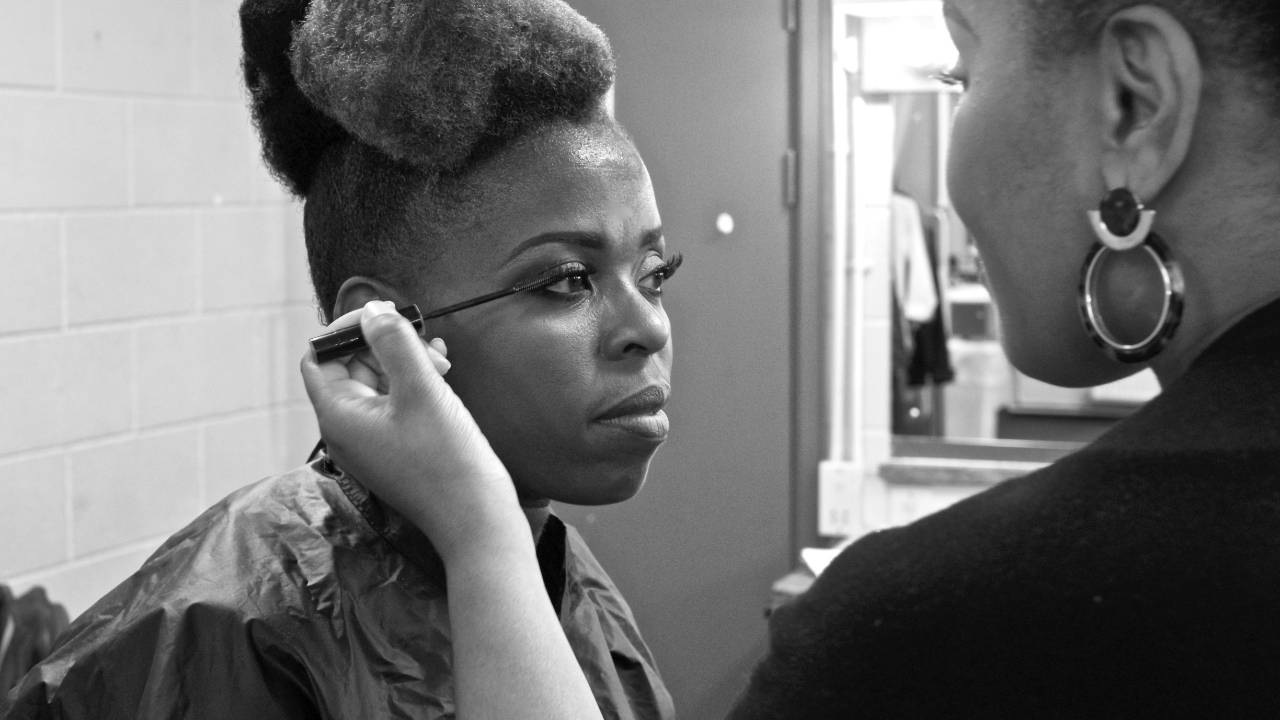
It’s always important to let people know when you have been recognised by an external organisation. Grants, awards, honourable mentions, they all help build your reputation and brand as a creative. They are proof that your talents and contributions have been valued and appreciated by peers, fans and society at large. Never downplay such achievements! Share them on social media, include them in your portfolio and press kit, tell potential clients about it. There is no point in getting shy.
In my case, I was recently featured by the F-List, which is the Directory of Female & Gender Diverse Musicians. The e-mail arrived in my inbox surprisingly, I must say. They were highlighting four women in total, from which they had three. They thought that I would fit really well with the others. I felt honoured!
View this post on Instagram
It quickly became clear during my conversation with them that, albeit I am a me...
Media composers, please answer the Fair Score's survey!
Fair Score is a joint campaign between the Musicians’ Union and The Ivors Academy, which seeks to ensure fair commissioning in media composition. It fights against coercive buyouts, opaque pitching processes, and deals that violate composers’ rights.
In a first survey conducted during 2019, the predecessor of Fair Score found that 35% of the surveyed media composers had accepted buyouts or work-for-hire deals. This means that, instead of receiving a commissioning fee upfront and royalties over time, they got a one-off fee and nothing else. This endangers the livelihood of composers, as they are deprived of long term income sources.
The same survey revealed that 41% of the surveyed composers gave up more mechanical rights than they wanted to, and 64% affirmed they believed the commissioning environment is coercive. This is unsustainable and harmful for the industry, even more now that commissioners count on the threat of generative AI to put pressure on media composers.
It’s importan...
Melody's words about Time For My Music
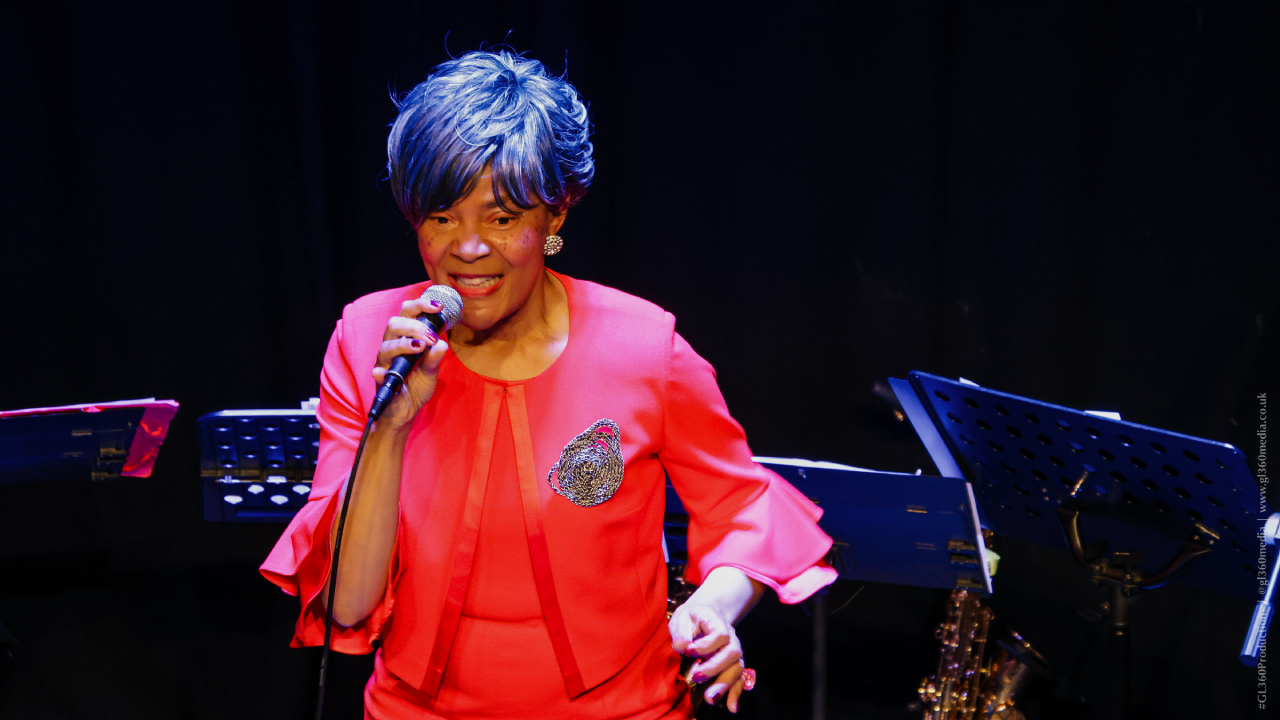
Today, it’s Melody’s turn to be under the spotlight. She’s a featured vocalist with the Notebenders big band, whose voice has been praised for being smooth and angelic on the high notes when singing classical songs and jazz.
During the Evening Showcase last year, she had this to say about Time For My Music:
[…] Time For My Music is like a sisterhood, a fellowship. It’s togetherness, a way to put ourselves out in the world as musicians together.
[…] Millicent has a wonderful gift, a very open heart. She’s very patient with us. I can see that she gives, she goes beyond the mile, many more times than that. I’m truly grateful, also, for the support that she receives in doing this from the family, and for the support of the group. It’s one of the reasons I’m standing here, and I’d like to thank Patricia because, when I started to meet up with the community bands and the Notebenders, it was Patricia who told me about Cafemnee, which was a forerunner to Time For My Music. So thank you a
...
UK government must address lack of streaming royalties
Players of over 20 orchestras across the UK have joined forces with the Musicians Union to demand that the government addresses the lack of streaming royalties. While streaming services have made music more accessible than ever, most of the money that they earn never reaches the people who perform the music. This is a particularly harrowing issue with non-featured musicians, including session and orchestral players, as the viola player Rachel Bolt explains in this reel:
View this post on Instagram
The Musicians Union has assessed that the solution lies on updating the copyright law. As it currently stands, streaming services must give part of their revenue to copyright owners, who are mainly record labels and publishers. Changing it in a way that guarantees equitable remuneration for streaming income would give musicians their due revenue back, without making the State incur in additional expenses.
You can read ...